Meditation Techniques to Boost Your Wellness Routine
In a world filled with constant distractions and stressors, finding a moment of peace can feel like an impossible task. Yet, incorporating meditation into your daily routine can significantly enhance your overall wellness. This blog post explores various meditation techniques that can help you cultivate mindfulness, reduce stress, and improve your mental clarity.
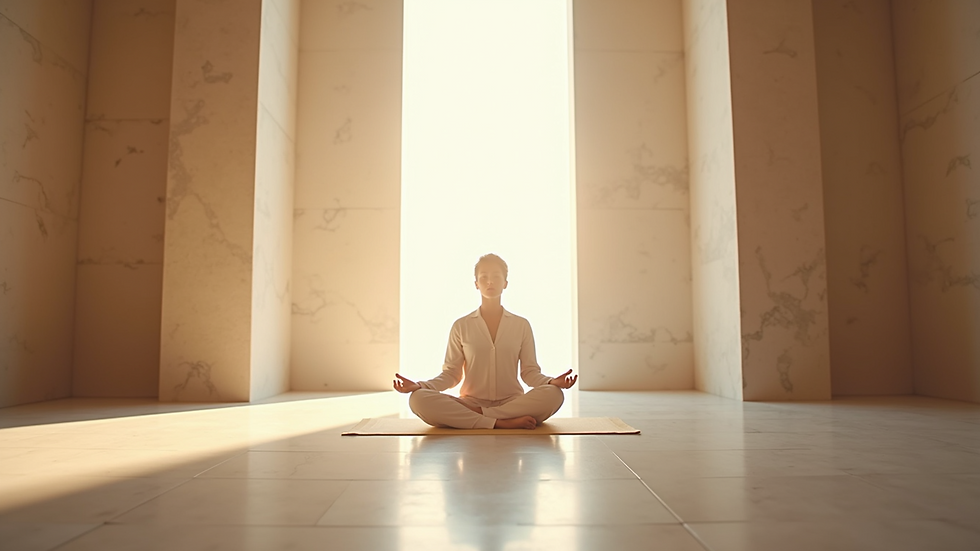
Understanding Meditation
Before diving into specific techniques, it's essential to understand what meditation is and how it can benefit you. Meditation is a practice that involves focusing the mind to achieve a state of calm and clarity. It can take many forms, from guided sessions to silent contemplation.
Benefits of Meditation
Stress Reduction: Regular meditation can lower levels of cortisol, the stress hormone, leading to a more relaxed state of mind.
Improved Focus: Meditation enhances your ability to concentrate and maintain attention on tasks.
Emotional Well-being: It can help regulate emotions, leading to a more positive outlook on life.
Better Sleep: Meditation promotes relaxation, making it easier to fall asleep and stay asleep.
Enhanced Self-awareness: It encourages a deeper understanding of yourself and your thought patterns.
Types of Meditation Techniques
There are numerous meditation techniques, each with its unique approach and benefits. Here are some of the most effective methods to consider incorporating into your wellness routine.
Mindfulness Meditation
Mindfulness meditation focuses on being present in the moment. It involves observing your thoughts and feelings without judgment.
How to Practice:
Find a quiet space and sit comfortably.
Close your eyes and take deep breaths.
Focus on your breath, noticing the sensation of air entering and leaving your body.
When your mind wanders, gently bring your focus back to your breath.
Benefits: This technique helps reduce anxiety and promotes emotional health.
Guided Meditation
Guided meditation involves listening to a narrator or teacher who leads you through the process. This can be particularly helpful for beginners.
How to Practice:
Choose a guided meditation session from an app or online resource.
Find a comfortable position and close your eyes.
Follow the narrator's instructions, allowing yourself to relax and visualize the scenarios described.
Benefits: It provides structure and can be tailored to specific goals, such as stress relief or improved sleep.
Loving-kindness Meditation
Also known as "Metta" meditation, this technique focuses on developing an attitude of love and kindness towards oneself and others.
How to Practice:
Sit comfortably and close your eyes.
Begin by cultivating kind thoughts towards yourself, repeating phrases like “May I be happy, may I be healthy.”
Gradually extend these wishes to others, including loved ones, acquaintances, and even those you may have conflicts with.
Benefits: This practice fosters compassion and can improve interpersonal relationships.
Body Scan Meditation
Body scan meditation involves paying attention to different parts of your body, promoting relaxation and awareness.
How to Practice:
Lie down in a comfortable position.
Close your eyes and take a few deep breaths.
Starting from your toes, focus on each part of your body, noticing any sensations or tension.
Gradually move up to your head, releasing tension as you go.
Benefits: This technique enhances body awareness and can help alleviate physical tension.
Transcendental Meditation
Transcendental Meditation (TM) is a form of silent mantra meditation that aims to settle the mind into a state of profound rest.
How to Practice:
Find a quiet space and sit comfortably.
Close your eyes and silently repeat a specific mantra for about 20 minutes.
Allow thoughts to come and go without engaging with them.
Benefits: TM has been shown to reduce stress and improve overall well-being.
Creating a Meditation Routine
To reap the full benefits of meditation, consistency is key. Here are some tips for establishing a regular practice:
Set a Schedule
Choose a specific time each day to meditate, whether it's in the morning, during lunch, or before bed. Consistency helps build a habit.
Start Small
If you're new to meditation, start with just a few minutes each day. Gradually increase the duration as you become more comfortable.
Create a Dedicated Space
Designate a quiet area in your home for meditation. This space should be free from distractions and conducive to relaxation.
Use Apps and Resources
There are many apps available that offer guided meditations, timers, and tracking features. Some popular options include Headspace, Calm, and Insight Timer.
Overcoming Common Challenges
Many people face challenges when starting a meditation practice. Here are some common obstacles and how to overcome them:
Difficulty Focusing
It's normal for your mind to wander during meditation. When this happens, gently redirect your focus back to your breath or mantra without judgment.
Time Constraints
If you feel you don't have enough time to meditate, try shorter sessions. Even a few minutes can be beneficial.
Frustration with Progress
Meditation is a skill that takes time to develop. Be patient with yourself and recognize that every session is a step towards improvement.
Incorporating Meditation into Your Wellness Routine
To truly enhance your wellness routine, consider integrating meditation with other healthy practices. Here are some ideas:
Combine with Physical Activity
Engaging in yoga or tai chi can complement your meditation practice. Both activities promote mindfulness and body awareness.
Pair with Journaling
After your meditation session, take a few moments to journal about your thoughts and feelings. This can deepen your self-awareness and help track your progress.
Use Aromatherapy
Incorporating essential oils can enhance your meditation experience. Scents like lavender and sandalwood promote relaxation and focus.
Practice Gratitude
After meditating, take a moment to reflect on what you are grateful for. This practice can boost your mood and enhance your overall well-being.
Conclusion
Incorporating meditation into your wellness routine can lead to profound changes in your mental and emotional health. By exploring different techniques and finding what resonates with you, you can cultivate a practice that enhances your life. Remember, the journey of meditation is personal and unique to each individual. Start small, be consistent, and enjoy the process of discovering a more mindful and peaceful you.
Take the first step today by setting aside just a few minutes for meditation. Your mind and body will thank you.


Comments